A damaged plumbing vent cap in Summerville, SC lets rain, pests, and debris into your drain system's vent stack, and the Lowcountry's heat, humidity, and salt air wear these parts out faster than almost anywhere else in the country. Here's how to spot a failing vent cap or pipe boot, what repair typically costs, and when the problem is bigger than the roof.
What a Plumbing Vent Cap Actually Does
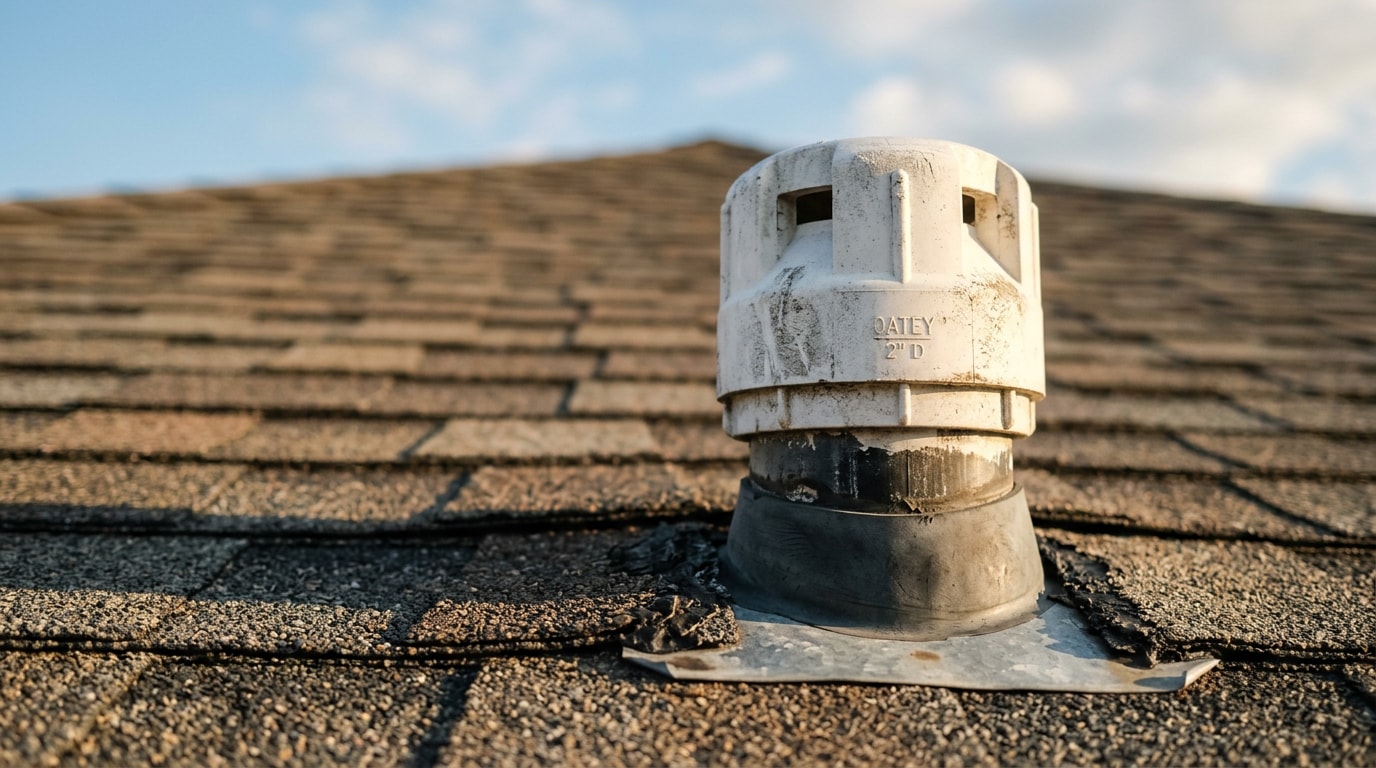
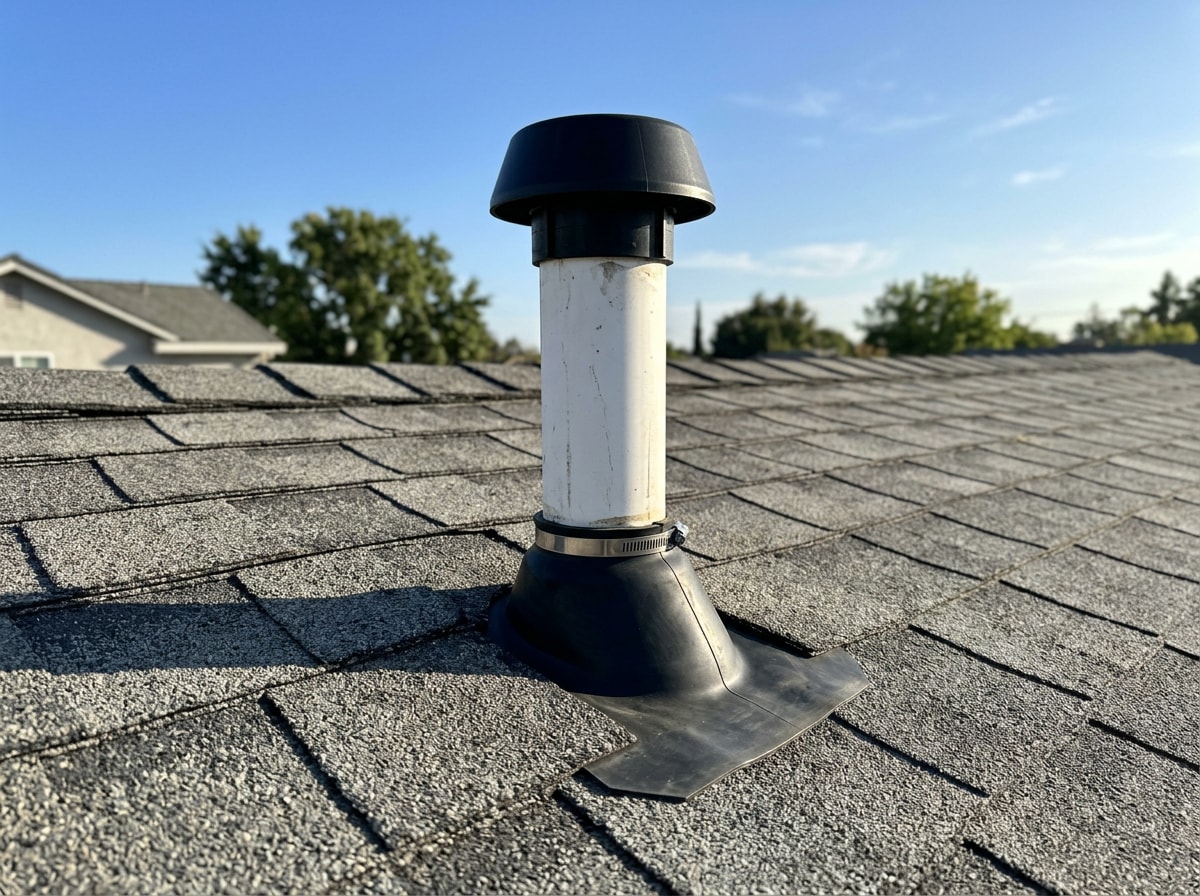
A vent cap is a small plastic, metal, or rubber-rimmed cover that sits over the open top of your vent stack, the vertical pipe that runs from your drain system through the roof.
It does two jobs. First, it blocks leaves, nests, and rain from falling into the pipe. Second, it protects the airflow your drain traps depend on to work correctly.
Most caps snap, screw, or slide onto the pipe opening, with a rubber collar at the base to keep rainwater from tracking down the stack. Not every vent is required by code to have a cap. Plumbing codes mostly regulate vent sizing and placement rather than mandating a cover, but most plumbers still install one for basic debris and pest protection.
Why Vent Caps and Pipe Boots Fail Fast Here
Summerville's climate is unusually hard on roof vent components. Intense heat, constant UV exposure, and salt-laden coastal air combine to crack rubber seals and corrode metal fittings well before their expected lifespan. On our service calls across the area, a cracked pipe boot shows up far more often than an actual failed cap, because the rubber collar takes the brunt of the sun.
Watch for these warning signs:
- A cracked pipe boot with visible splits, brittleness, or separation from the pipe
- A rusted vent cap or rust streaking around a metal vent collar
- Curling or lifted shingles immediately around the vent base
- Water staining on the attic ceiling beneath the vent line
- A faint sewer-gas smell near the roofline or inside the home
Heat, UV, and Salt Air Are the Real Culprits
Roof surfaces in this region regularly run far hotter than the surrounding air, and that heat swings up and down every day. The repeated expansion and contraction stresses rubber and metal seals, gradually breaking down the sealant around the pipe boot. Charleston-area summer highs typically sit in the upper 80s to low 90s°F, according to official National Weather Service Charleston climate data, and that daily thermal cycling is what eventually turns a hairline gap into a leak path.
Common Vent Repairs in Summerville Homes
Most vent-related service calls fall into one of three categories: vent cap replacement, pipe boot replacement, or flashing resealing around the base. They're often inspected together, since a weak spot in one usually signals wear nearby. A plumbing pipe repair technician can typically diagnose which one you need in a single roof-access visit.
| Repair | What It Involves | Typical Cost Range |
|---|---|---|
| Vent cap replacement | Swap the damaged or missing cover only | $50 – $230 |
| Pipe boot replacement | Remove old rubber collar, install new boot, reseal against shingles | $150 – $450 |
| Flashing resealing | Re-lap and reseal the flashing around a rusted or loose vent | $125 – $300 |
Costs vary with roof pitch, access, and material, so treat these as planning ranges rather than a quote.
Pipe Boot Replacement, Explained
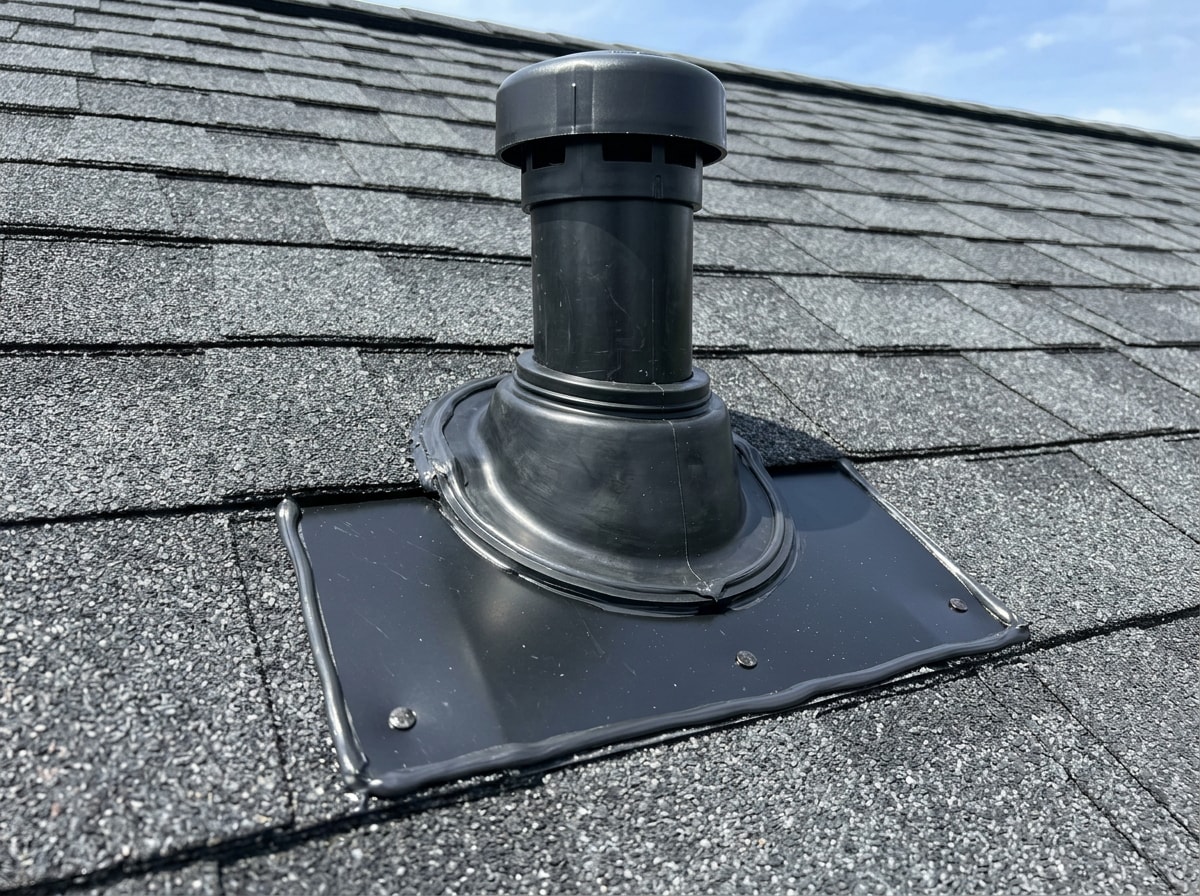
Pipe boot replacement differs from vent cap replacement: the rubber collar seals the pipe to the roof flashing, while the cap only covers the pipe opening. A worn boot and an aging cap often get swapped out in the same visit since they fail on similar timelines.
Repair or Replace? How to Decide
A single failed vent component rarely justifies a full roof replacement. Widespread wear across multiple vents, though, can signal a bigger, system-wide roofing issue worth a broader inspection.
A targeted repair is usually the right call when:
- Damage is limited to one vent, with no cracking or granule loss on nearby shingles
- There's a single pipe boot leak and the rest of the roof looks sound
- The vent cap itself is missing or cracked but the boot and flashing are intact
If you're also seeing slow drains, gurgling, or a persistent sewer odor indoors even after the roof-side repair, the issue may not be the cap at all. A blocked vent stack or a dry trap can cause the same symptoms, and that's a job for plumbing leak detection or a stack inspection rather than another trip up the ladder. Our plumbing camera inspection guide) covers how a camera scope finds blockages a visual roof check can't.
Vent Cap Installation and Plumbing Code Basics
Correct installation starts with a secure pipe boot, properly layered flashing at the roofline, and sealant rated for roofing use, not general caulk. Installers should slide the flashing under the surrounding shingle courses, not on top of them, and keep the vent terminal a safe distance from windows or doors so sewer gas doesn't drift indoors.
Vent stack diameter and placement aren't guesswork. The current International Plumbing Code Chapter 9 vent sizing rules set minimum vent diameters based on fixture unit load and pipe length, and local jurisdictions can adopt amendments on top of that. If you're adding a bathroom or remodeling a kitchen, it's worth confirming your vent sizing before the inspector does it for you.
Air Admittance Valves: An Alternative to a Roof Vent
An air admittance valve (AAV) is a mechanical device that opens to admit air during drainage and seals shut otherwise, so a pipe doesn't have to run all the way through the roof. Compared with a traditional vent stack and cap, AAVs can cost less to install and skip the roof penetration entirely, though most codes still require at least one traditional vent per system.
AAVs work well for island sink additions or remodels where running a vent pipe to the roof isn't practical. Manufacturer compliance details, including ASSE 1050/1051 listing requirements for AAVs, confirm which models are accepted under most adopted codes. They do have limits: some high-rise applications restrict their use, and the internal seal can wear out over time and stop admitting air correctly, so periodic checks still matter.
Maintenance That Actually Extends Vent Life Here
A quick visual check once or twice a year, ideally before and after hurricane season, catches most problems while they're still cheap to fix.
- Look for curling shingles or cracked rubber around every roof penetration, not just the main stack
- Rinse salt residue off metal caps near the coast during routine gutter cleaning
- Clear leaves and debris from the cap opening after storms
- Note any new interior odor or gurgling drain and have it checked before the next heavy rain
If you need help scheduling a roof-access inspection alongside other plumbing work, contact us for a free estimate. We can also bundle a vent check with drain cleaning or an emergency plumbing repair visit if you're already dealing with a backup.
This guide was put together by the licensed plumbing team at KO Plumbing, who handle vent stack, pipe boot, and drain-venting calls throughout Summerville and the wider Charleston Lowcountry, including our Summerville service area.
FAQ
What does a plumbing vent cap do?
It covers the open top of the vent stack to keep debris, pests, and rain out while still letting air pass through, which protects the airflow your drain traps rely on.
Can a plumbing vent work without a cap?
Yes. Airflow isn't blocked without a cap, but the open pipe is exposed to debris, pests, and rain intrusion over time. Most plumbers recommend a cap even when it isn't strictly required by code.
How long do rubber pipe boots last in Summerville?
Rubber pipe boots typically last 10 to 15 years in moderate climates, but Summerville's heat and UV exposure commonly shorten that to 8 to 10 years.
How much does it cost to replace a vent cap or pipe boot?
Vent cap-only replacement usually runs $50 to $230. A full pipe boot replacement typically costs $150 to $450, depending on roof pitch and access. These are planning ranges, not a quote.
Do I need a permit to replace a vent cap in Summerville?
A like-for-like cap or boot swap generally doesn't require a permit, but any change to vent sizing, routing, or a new fixture vent should be checked against the locally adopted plumbing code first.
Do you service the areas around Summerville?
Yes. Our service area includes Ladson, Goose Creek, Hanahan, North Charleston, and the surrounding Lowcountry communities. Contact us to schedule a visit.