Plumbing in Holly Hill, SC is the network of pipes, valves, and fixtures that brings clean water into your home and carries wastewater safely away. But here it also means something most national guides skip over: wells, septic tanks, and pipe runs installed decades before today's codes existed. Understanding how your system actually works, whether you're on municipal service or pulling water from the ground yourself, is what lets you react fast instead of panicking when something breaks.
What Does Plumbing Mean for Holly Hill, SC Homes?
At its core, every plumbing system does two jobs: deliver fresh water where it's needed and remove used water before it causes damage or health problems. That's the textbook definition.
The real difference in Holly Hill is infrastructure age and water source. A large share of homes around town and across Orangeburg County sit on private wells and septic tanks rather than city water and sewer lines, and many of the houses that are connected still have original piping that predates modern plumbing codes. That combination means "understanding your plumbing" here isn't a hobby, it's practical home maintenance.
If you want to see how these systems get maintained and repaired in practice, browse the plumbing services available to local homeowners.
The Three Core Plumbing Systems Explained
Every home depends on three separate subsystems: water supply, drainage, and venting. They're built never to physically connect, which keeps clean drinking water protected from contamination by wastewater.
Water Supply System
The water supply system is the pressurized network that pushes fresh water from the main line into a home and out through every faucet, shower, and appliance. Most residential systems run between 40 and 80 PSI, with pressure-reducing valves used when municipal supply runs too high.
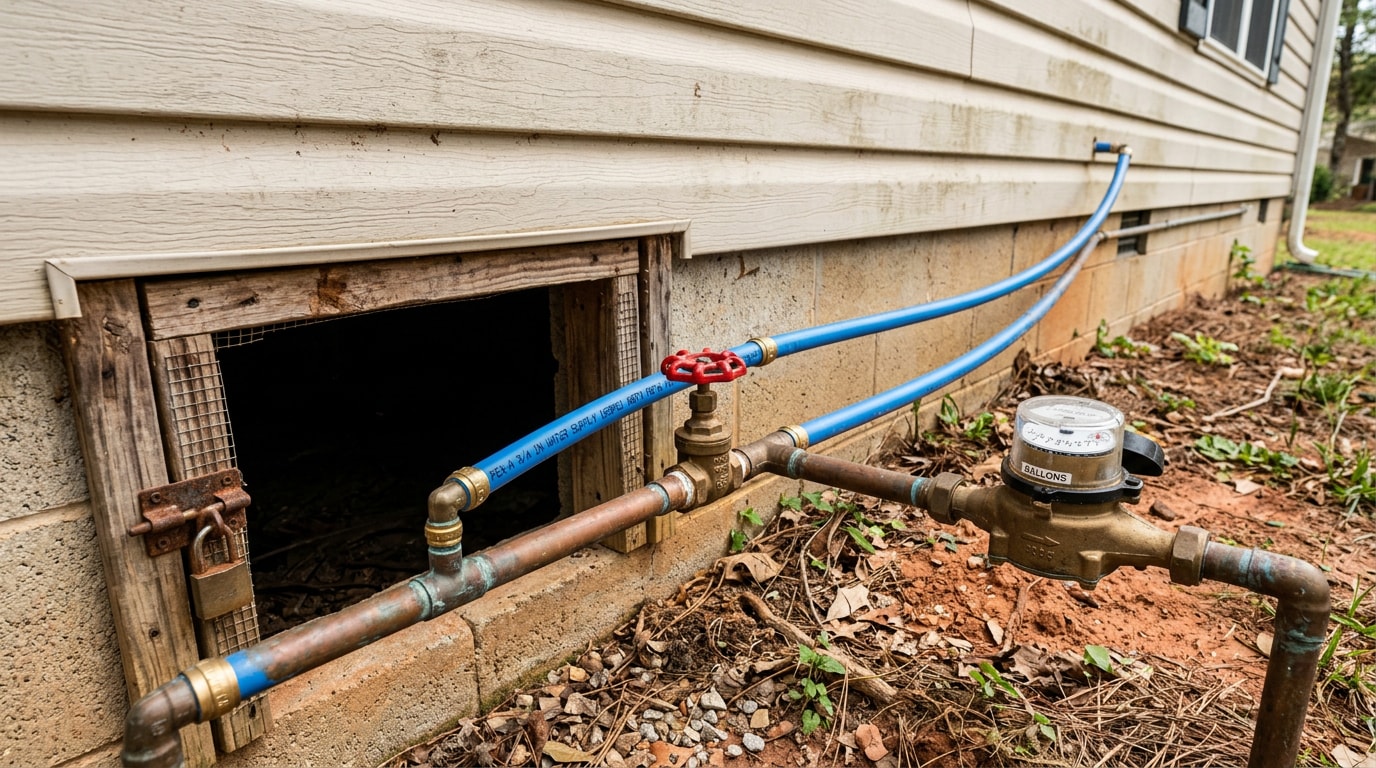
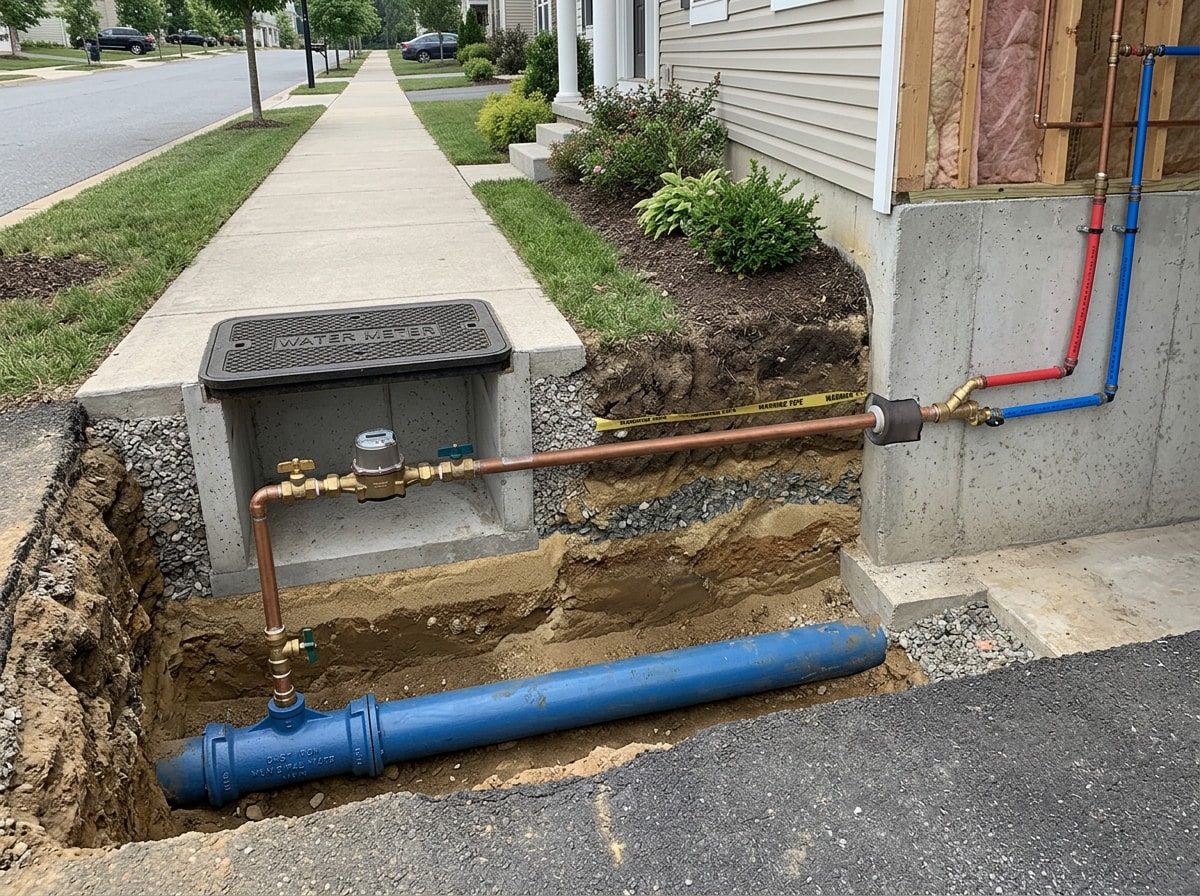
Pipes in this system are usually copper, PEX, or CPVC, each with different cost and durability tradeoffs. Water travels from the street main, through a meter, and into a branching network that reaches every fixture in the house. Older Holly Hill homes may still have original galvanized or copper lines that are overdue for an upgrade, and a slow drop in pressure over several years is often the first clue.
Drainage System (Drain-Waste-Vent)
The drain-waste-vent system relies entirely on gravity, not pressure, to move wastewater out of the home. Drainpipes slope slightly downward so water and waste flow toward the sewer or septic line without any pumping required.
Every fixture connects to a trap, that curved section of pipe under a sink or toilet, which holds a small amount of water to block sewer odors from entering the home. When drains run slow or smell sour, it's usually a clog or a dry trap somewhere in the system. A drain repair visit can usually track that down in one trip.
Vent System
A plumbing vent system lets air into the drainage system so wastewater can flow freely without creating a vacuum lock. Without proper venting, drains gurgle, slow down, and can let sewer gas seep into living spaces.
Vents fail more often than most homeowners realize. Bird nests, leaves, and even frost can block the stack opening, while poor pipe slope traps air in the wrong places. Vent sizing isn't a guess either: the International Plumbing Code requires a vent stack for every drainage stack that has five branch intervals or more , and the International Code Council's technical guidance spells out exactly where those vents have to connect.
Common Plumbing Components You Should Know
Beyond the three systems, a handful of physical components show up in nearly every home. These are the parts homeowners actually see, touch, and sometimes replace themselves.
Shutoff valves control water flow to a specific fixture or to the whole home. A gate valve is common on older main shutoffs, while modern installations lean on ball valves for a tighter, more reliable seal. Pressure-reducing valves protect fixtures from excessive pressure coming off the municipal line.
Every home should have one clearly identified main water shutoff, usually near the meter or where the line enters the house. Individual fixture shutoffs under sinks and behind toilets let you isolate a single repair without cutting water to the whole house. A plumbing leak detection check is the fastest way to confirm every valve is sealing correctly before a slow leak turns into a bigger repair.
Why Holly Hill Plumbing Often Means Wells and Septic, Not City Service
This is the part of "what is plumbing Holly Hill, SC" that most generic guides never address. Not every home here connects to city water and sewer, and that changes how maintenance and troubleshooting work.
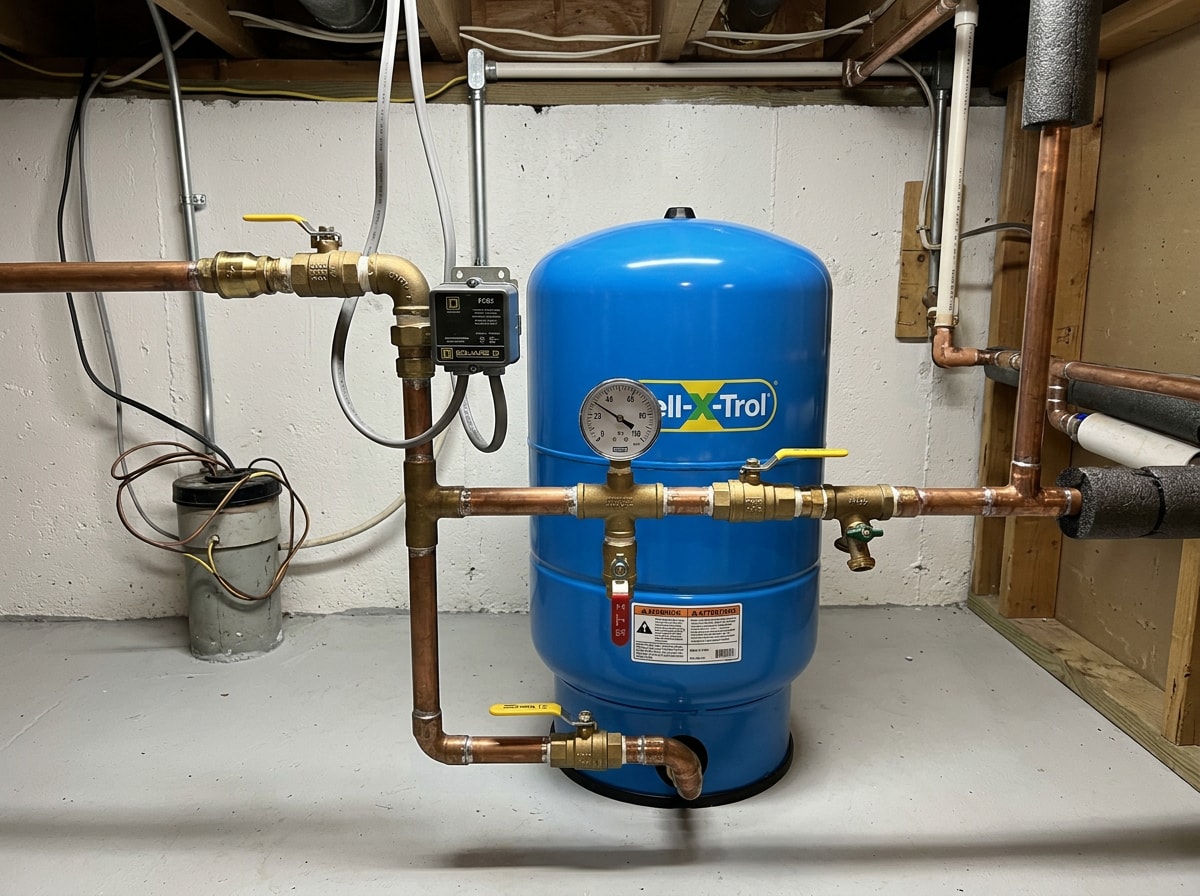
A private well pulls groundwater through a submersible pump and stores it in a pressure tank before it reaches household plumbing. A septic tank handles wastewater treatment on-site instead of sending it to a municipal plant. Groundwater depth and soil conditions affect both well performance and septic drain field design, so what works for one rural property may not work next door.
A note from the field: in the wells we service around Holly Hill and Orangeburg County, short-cycling pumps in late summer are almost always traced to seasonally lower groundwater, not a failing motor. It's a detail that rarely shows up in national plumbing articles because it's specific to this region's water table, not a universal problem.
Tap water from private wells is not regulated, treated, or monitored by officials , which means testing and filtration are entirely on the homeowner. Test your well water at least once every year for total coliform bacteria, nitrates, total dissolved solids, and pH level , according to CDC guidelines on well water testing.
Septic care follows its own schedule. Septic maintenance includes inspecting the entire system every 1 to 3 years and pumping the tank every 3 to 5 years , per the EPA's septic system guidance. A sewer line cleaning or well pump repair visit is worth scheduling before symptoms like slow drains or soggy yard patches turn into a full system replacement.
Municipal vs. Private Plumbing at a Glance
| Factor | Municipal Water & Sewer | Private Well & Septic |
|---|---|---|
| Water testing | Handled by the utility | Homeowner's responsibility, test annually |
| Wastewater treatment | Off-site municipal plant | On-site septic tank and drain field |
| Pressure source | City main pressure | Submersible pump and pressure tank |
| Typical homeowner cost risk | Repair bills only | Pump, tank, and drain field repair/replace |
| Maintenance schedule | Minimal homeowner action | Annual well test, pump every 3 to 5 years |
If your property runs on a well, a well system diagnostics visit or pressure tank service can catch failing components before they take your whole water supply down.
Most Common Plumbing Problems in Holly Hill Homes
Most plumbing issues fall into a handful of predictable categories, and catching them early usually means a simple repair instead of an emergency call.
- Leaky faucets – usually worn washers or O-rings, wasting gallons of water over time
- Clogged drains – often hair, grease, or soap buildup slowing or blocking flow
- Running toilets – typically a faulty flapper or fill valve that keeps water running after a flush
- Low water pressure – can point to pipe corrosion, sediment buildup, or a hidden leak
- Water heater issues – inconsistent temperature, strange noises, or sediment buildup in the tank
A drain cleaning or hydro jetting service clears stubborn clogs before they become backups, and a water line repair call handles pressure loss tied to an aging supply line.
When a Plumbing Problem Becomes an Emergency
Some situations call for a licensed plumber immediately instead of a wait-and-see approach. Burst pipes, sewer backups, and a total loss of hot water all fall into plumbing emergency territory where delay risks real property damage.
Fixture installations, water heater replacements, and any work involving gas lines also warrant professional help, since mistakes here can create safety hazards or void warranties. If you're ever unsure whether a problem is urgent, it's safer to call than to wait. Keep emergency plumbing repair contact information on hand, and if your water line itself has failed outright rather than just leaking, a water line replacement may be the faster fix than a patch repair.
Plumbing Maintenance Tips for Homeowners
Routine maintenance prevents most costly repairs before they start.
- Check under sinks and around the water heater periodically for slow leaks.
- Avoid pouring grease down drains, it's the single biggest cause of kitchen clogs.
- Use drain screens to catch hair and debris before buildup starts.
- Flush your water heater annually to remove sediment that cuts efficiency and shortens its lifespan.
- Insulate exposed pipes before cold snaps; freezing is still a real risk even in South Carolina's milder winters.
A water heater maintenance visit covers the flush and inspection in one trip, and a hot water heater repair call handles anything beyond routine upkeep.
Water Conservation and Modern Plumbing Upgrades
Modern fixtures have made water conservation easier and more affordable than ever. Low-flow toilets and showerheads can cut household water use significantly without sacrificing performance.
Tankless water heaters heat water on demand instead of storing and reheating it, which eliminates standby energy loss. ENERGY STAR certified gas tankless water heaters save a family of four $95 per year, or $1,800 over its lifetime, on gas bills compared to a standard gas storage model , according to the ENERGY STAR program. A tankless water heater service visit can tell you whether your home is a good candidate for the switch, and a hot water heater installation or hot water heater replacement handles the upgrade itself.
Serving Holly Hill and the Surrounding Lowcountry
We work on both city-connected and well-and-septic homes throughout Holly Hill, SC and the surrounding area, including St George, SC, Bonneau, SC, Cross, SC, and Moncks Corner, SC. If your home needs anything from well pump replacement to clogged drain removal, our team handles rural and municipal systems alike.
Visit our homepage to see the full range of services, or get a free estimate for your specific plumbing situation.
About the Author
This guide was written by the licensed plumbing team at KO Plumbing SC, who service wells, septic systems, and municipal plumbing throughout Holly Hill and Orangeburg County. Have a plumbing question specific to your property? Contact us directly.
FAQ
What are the signs of a hidden plumbing leak?
Hidden leak signs include unexplained water stains on walls or ceilings, a musty mold or mildew smell, and water bills that spike without a clear reason. Soft or discolored flooring near pipes can also point to water damage happening out of sight.
What are the three basic piping systems in a home?
The three basic piping systems are the water supply system, the drainage system, and the vent system. Together they deliver clean water, remove wastewater, and keep air pressure balanced so drains flow properly without pulling sewer gas back into the home.
What is the main system in plumbing?
The water supply system is generally considered the main plumbing system because it delivers the pressurized clean water every fixture and appliance depends on. Without it, drainage and venting have nothing to carry away in the first place.
What counts as a plumbing emergency in Holly Hill, SC?
Burst pipes, sewer or septic backups, gas line leaks, and a complete loss of water or hot water all count as emergencies. If a problem risks property damage or a safety hazard, call a plumber immediately instead of waiting.
How often should a septic tank be pumped in Holly Hill, SC?
Most residential septic tanks need pumping every three to five years, with full system inspections every one to three years. Household size, water use, and tank size all affect the exact timeline.
What's the difference between well water and city water plumbing?
City water arrives pre-treated and pressurized by the utility, so homeowners handle little beyond interior repairs. Well water systems put pressure, filtration, and testing on the homeowner, since private wells are not regulated or monitored by outside agencies.