Do I need to drip all my faucets in North Charleston, SC when a hard freeze is in the forecast? No. You only need to drip the faucets connected to exposed or poorly insulated pipes, not every tap in the house. Here's exactly which ones matter, when to start, and how to do it without wasting water or your sleep.
Do You Need to Drip All Your Faucets in North Charleston?
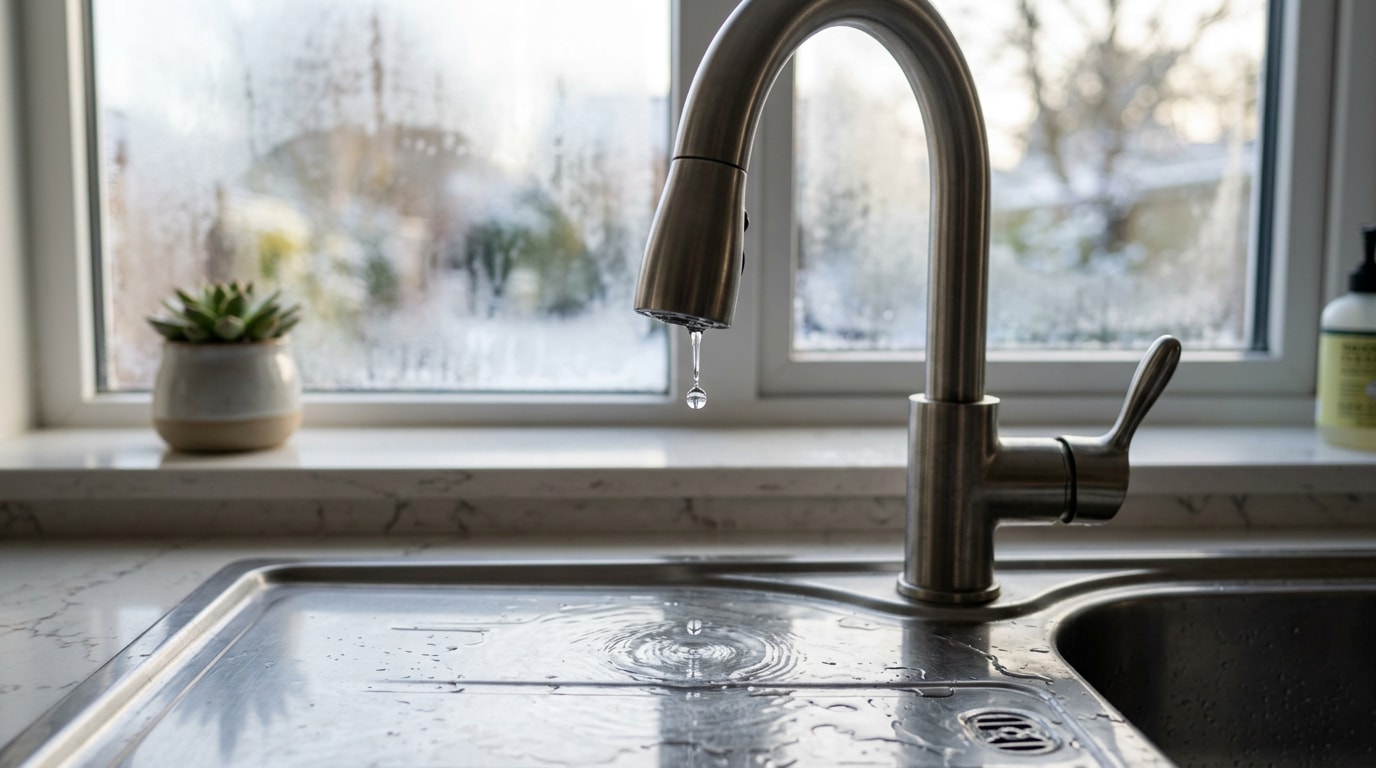
Dripping faucets does help prevent frozen pipes, but you don't need to drip every faucet in your house. The faucets that actually need attention are the ones fed by pipes running through exterior walls, crawl spaces, garages, or other unheated areas.
You can drip just one if it's further from the water line. If you are unsure where that is, dripping all of them is a good option. That's the safe fallback for homeowners who don't know their plumbing layout. It costs a little more on the water bill, but it's cheap insurance against a burst pipe.
Interior faucets usually don't need help. The pipes in the interior walls are already kept warm by the heat of your house's furnace, so you want to protect the pipes that run through the vulnerable exterior walls instead.
Why Dripping Faucets Protects Your Pipes
Still water is more likely to freeze than moving water. Keeping a faucet open gives that water somewhere to move, which keeps ice from forming solid inside the pipe.
Here's what's actually at stake. Water expands when it freezes, and if the water inside of a pipe freezes, it can block part or all of the flow of water within the pipe, causing the pressure to increase, which in turn could cause the pipe to burst. A dripping faucet relieves that pressure before it builds to the breaking point.
Which North Charleston Homes Are Most at Risk
North Charleston's older housing stock leans heavily on crawl-space foundations, and that changes the math. When your home has a very drafty crawl space with a pier and beam foundation, all pipes running through the crawl space are vulnerable. That's a bigger share of your plumbing than homeowners from basement-heavy climates expect.
South Carolina's mild ground temperature actually works in your favor underground. United Facilities Criteria UFC-3-310-01 notes a frost penetration depth of 0 inches for four locations in South Carolina, including Charleston.
Most piping systems are buried 12 inches deep or more and will not freeze even during extended cold weather spells. The risk almost always comes from pipes above ground, not below it.
In our service calls across North Charleston's crawl-space homes, the pattern is consistent: the pipe that freezes is almost never the one under the kitchen sink. It's the run along an exterior wall in a back bathroom, or the line crossing an unconditioned crawl space with a torn vapor barrier. If you're not sure which pipes in your home fall into that category, a plumbing pipe repair technician can map it out before the next cold snap, not during it.
When Should You Start Dripping Your Faucets?
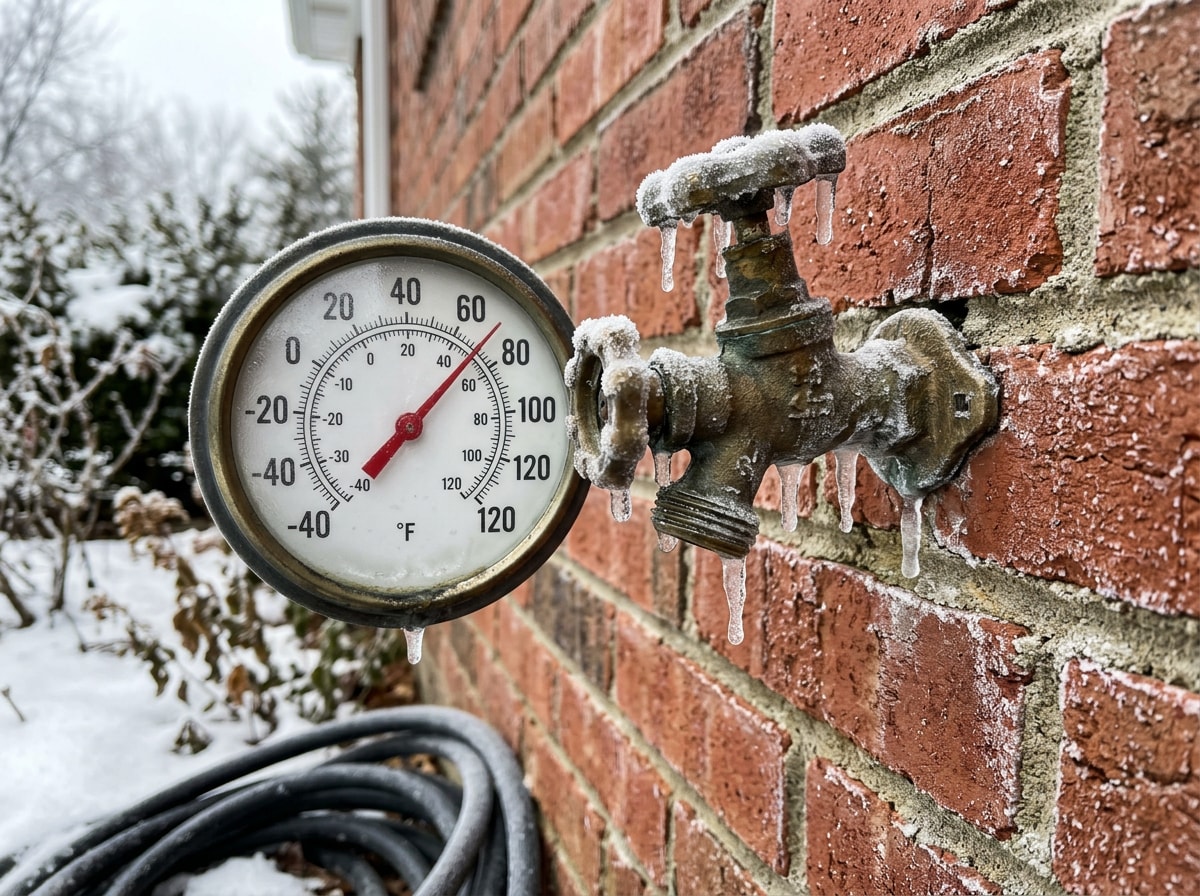
Water freezes at 32°F, but most home pipes don't freeze until the temperature drops to around 20°F. That gap is why guidance varies so much between sources.
Leave the water dripping when temperatures are below 20 degrees for three hours or longer, or if your power goes out in the winter. That's the threshold most plumbers use for a standard, well-insulated North Charleston home.
| Temperature Cited | What It Reflects |
|---|---|
| 32°F | The point water itself freezes |
| 28°F | A cautious buffer some guides use for exposed pipes |
| 20°F | The realistic threshold for most insulated home plumbing |
How Much Should a Faucet Drip?
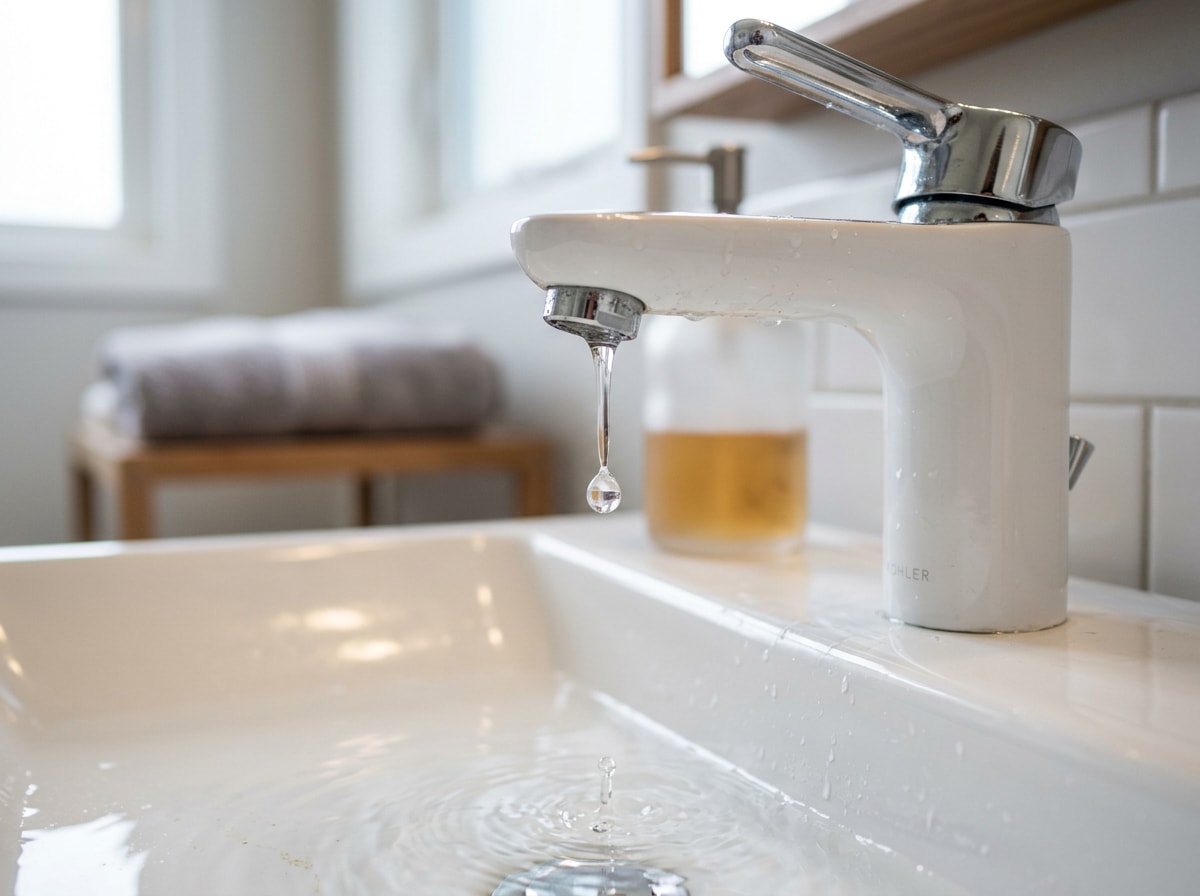
You only need a slow, steady trickle, not a stream. Cranking the handle further doesn't add protection; it just runs up your bill.
To put that in perspective: a leaky faucet that drips at the rate of one drip per second can waste more than 3,000 gallons per year. That's the EPA's number for an unwanted leak left unattended for months. A deliberate overnight drip during a single cold snap uses a small fraction of that.
How to Drip Faucets Correctly
Follow this order so the drip actually does its job:
- Identify the faucet farthest from where your main water line enters the home.
Choose that one first, since it pulls water through the entire plumbing run, which reduces the risk of freezing along the way.
- Prioritize any faucet on an exposed pipe in a crawl space, attic, or garage.
- Add any faucet along a thin, poorly insulated exterior wall.
- Open the cabinet doors underneath those sinks so warm indoor air can reach the pipe.
Should You Drip Hot or Cold Water?
If you have the option, choose faucets that allow you to control hot and cold water separately and let both drip slightly, since this ensures that both hot and cold water lines are less likely to freeze.
If your hot line runs a shorter, better-insulated path than the cold line, a cold-only drip may be enough. When you're not sure, drip both.
Avoid These Common Faucet-Dripping Mistakes
- Dripping hot water only.
Cold water pipes are more likely to freeze, so if you only drip hot water, your cold pipes will remain at risk.
- Treating one dripping faucet as coverage for the whole house. A home with multiple exterior-wall or crawl-space zones needs a drip in each zone, not just one near the kitchen.
- Assuming a drip guarantees safety. In extreme or prolonged cold, pipes can still freeze even with a faucet dripping. Check periodically for weak flow or gurgling sounds throughout the freeze, not just once before bed.
- Dripping outdoor spigots. Outdoor faucets work differently than indoor ones.
You don't want to drip outside faucets, but you should insulate them, draining and covering them instead.
Other Ways to Prevent Frozen Pipes Besides Dripping
Dripping works best as one layer of a short winter checklist:
- Insulate exposed plumbing in crawl spaces and garages before cold weather arrives.
- Open cabinet doors under sinks along exterior walls to let warm air circulate.
- Keep the drip running only through the actual sub-freezing window, then shut it off once temperatures climb back above freezing.
- Remember that most interior plumbing is built with a safety margin already in place: residential plumbing codes require water lines to sit below the local frost line, which in the Charleston area is close to ground level in the first place, according to Clemson Cooperative Extension's guidance on pipe freezing in South Carolina homes.
For a deeper look at how your home's supply lines, shutoffs, and fixture runs connect, our plumbing diagram guide for Mt Pleasant homeowners walks through the same basic layout that applies across most Lowcountry houses.
Drip Faucets Yourself vs. Hiring a Pro
Dripping your faucets is a simple task any homeowner can handle alone. Call a professional instead if:
- A pipe freezes or bursts every winter in the same spot.
- You suspect a pipe has already frozen or is leaking.
- You genuinely don't know where your main water line enters the house.
Given how common crawl-space plumbing is in North Charleston's older housing stock, it's not unusual to need a second opinion on pipe routing before the next freeze hits. If a pipe does freeze on you, shut off the main valve first and call for help rather than guessing. Our team handles emergency plumbing repair across the area, and a faucet repair visit now is a lot cheaper than a burst-pipe cleanup later. Get a free estimate before the next cold snap rolls through, or visit KO Plumbing to see our full range of services.
FAQ
Do You Have to Drip Every Faucet, or Just One?
No. You only need to drip faucets connected to exterior-wall, crawl-space, or exposed pipes. Interior faucets with well-protected plumbing usually stay safe without extra help.
Should You Drip Hot or Cold Water?
Drip both when any part of either line is exposed. If only the cold line runs through an unprotected area, a cold-water-only drip is often enough.
At What Temperature Should You Start Dripping Faucets?
Most guidance points to the 20°F to 32°F range, especially once a forecast shows several hours below 20°F. Earlier action is always safer than waiting.
How Long Should You Leave Your Faucets Dripping?
Leave them dripping until temperatures are consistently back above freezing, not just through one overnight dip. Shutting off too early can leave pipes exposed if cold weather returns the next day.
Should You Drip Outdoor Faucets Too?
No. Outdoor hose bibbs should be drained and insulated or covered, not dripped. Dripping an outdoor spigot does nothing once the water inside has already left the warmth of the house.
What If My Pipes Freeze Anyway?
Shut off your main water valve immediately to limit damage if a pipe freezes or bursts. Never try to thaw a frozen pipe with an open flame. Call a licensed plumber to handle the repair safely, and if it happens overnight, our plumbing leak detection team can confirm the source before more damage occurs.