An under sink hot water recirculating pump solves one specific problem: the long, annoying wait for hot water to reach a faraway faucet. In Summerville's single-story ranches and newer Nexton and Legend Oaks floor plans, where the water heater often sits in a garage or utility closet far from the kitchen, that wait can stretch past a minute. This guide covers how these pumps work, what they cost in 2026, and when an under-sink comfort system beats a full recirculation loop.
How a Hot Water Recirculating Pump Works
A hot water recirculating pump keeps water moving through your hot water line so it's already warm when you open the tap, instead of making you run water down the drain while you wait. It does this by pushing the cooled water sitting in the hot line back toward the water heater, either through a dedicated return pipe or, in most retrofits, through the existing cold-water line.
Two control methods are common:
- Timer-based pumps run on a fixed schedule, usually during morning and evening peak-use hours.
- Thermostat or demand-sensor pumps activate only when the line temperature drops below a set point, or when someone presses a button at the sink.
Demand recirculating pumps have the potential to solve the problem of a long wait for hot water at a distant fixture, while simultaneously saving energy, water and money , according to ENERGY STAR. The agency also notes that when a demand system is activated, the pump starts recirculating cooled water that's been sitting in the hot water line and sends it back to the water heater through the cold water line .
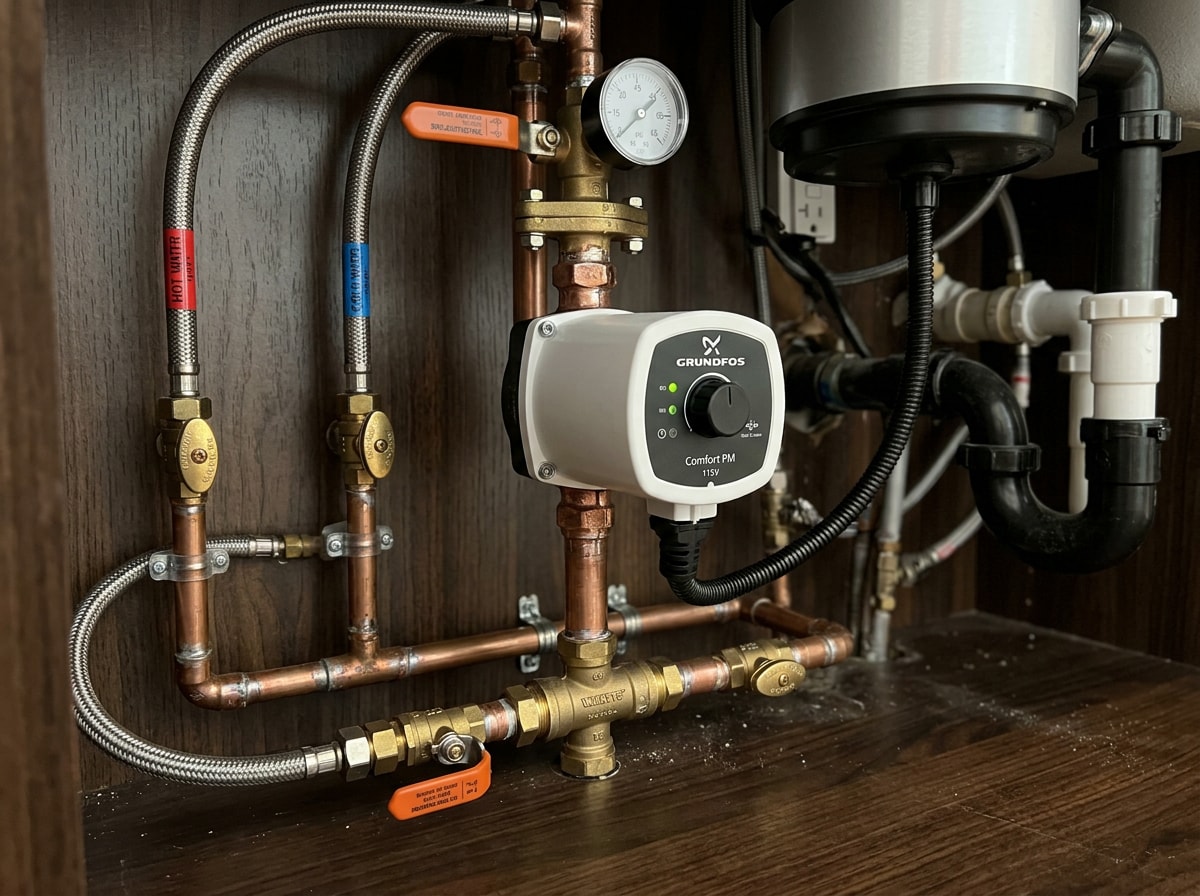
What's Inside a Recirculating Pump Kit
A typical kit includes:
- The pump itself
- A check valve (prevents backflow and short-cycling)
- A thermostat or demand sensor
- A built-in or add-on timer
- Fittings to connect to existing supply lines
The check valve isn't optional. Without it, water can flow backward and mix hot and cold lines improperly. Most thermostats and timers stay adjustable after installation, so homeowners can fine-tune run times once the system is live. If your under-sink fixtures or supply lines are already dated, it's worth pairing a pump install with a faucet installation so everything under the cabinet matches.
Full Recirculation System vs. Under-Sink Comfort System
Homeowners generally choose between two setups: a full system built on dedicated plumbing, or a simpler under-sink system that reuses pipes already in place. For most Summerville retrofits, where opening walls isn't realistic, the under-sink option is the more practical starting point.
Full Recirculation System (Dedicated Return Line)
A full recirculation system uses a dedicated return pipe running from the farthest fixture back to the water heater, creating a three-pipe system. This delivers the fastest, most consistent hot water throughout the house, but it's expensive and disruptive to retrofit. It's best suited to new construction, where the return line goes in during framing before drywall goes up.
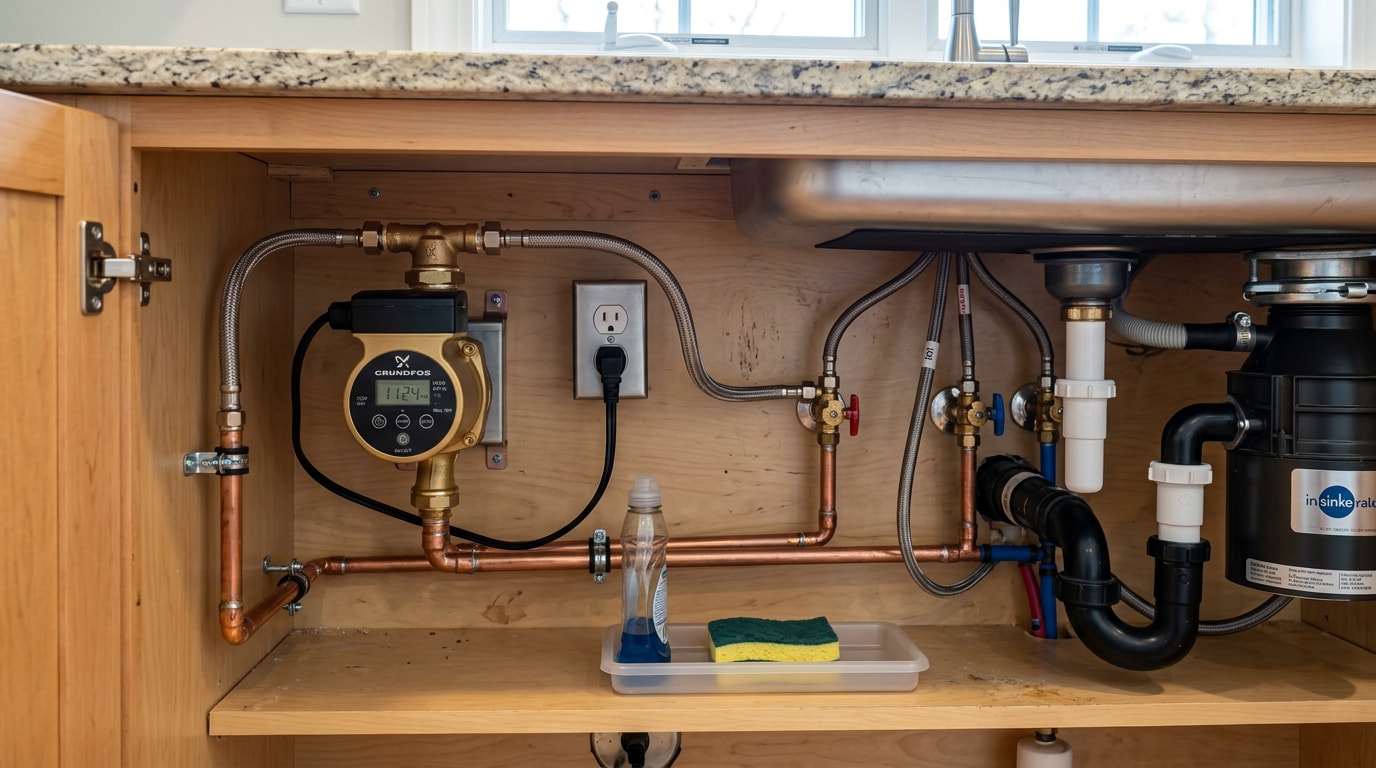
Under-Sink Comfort System (Crossover Valve)
A comfort system uses the existing cold-water line as the return path, thanks to a crossover valve installed at the farthest sink from the water heater. Picture a one-story Summerville home where the water heater sits in the garage and the kitchen sink is 40-plus feet away. That's a textbook case for this two-pipe setup.
Installation is dramatically simpler than a full system. A licensed plumber can usually complete an under-sink comfort pump install in two to four hours, versus a full day or more of wall and floor work for a dedicated return line. If your home's hot water line also needs attention before a pump goes in, a water line repair visit can confirm the existing pipe can support a crossover valve.
Benefits of an Under-Sink Recirculating Pump
The appeal is straightforward once the mechanics click:
- Near-instant hot water at the tap instead of a 60-90 second wait
- Less wasted water, since you're not running the faucet while waiting
- Added comfort for households juggling back-to-back showers, laundry, and dishes
- No major construction required for comfort-style retrofits
How much benefit you'll actually notice depends on pipe-run length and household size. A compact home with the water heater near every fixture won't see as dramatic a change as a sprawling single-story Lowcountry layout with long runs to the primary bath.
Trade-Offs and Drawbacks to Know Before You Buy
Recirculating pumps aren't free comfort. The most common downsides are the upfront equipment and installation cost, a modest ongoing electricity cost to run the pump, and one quirk that catches homeowners off guard.
That quirk: because the "cold" line is also carrying slightly warmed return water in a comfort-system setup, the first few seconds from the cold tap can run lukewarm instead of truly cold. It's minor for most households, but worth knowing before you install one, not after. Illinois Smart Energy's plumbing code guidance notes that under the IECC Requirements for Demand Recirculation Systems, return water can't be more than 104°F , which helps limit how warm that "cold" tap water actually gets.
Continuous-run pumps also work against energy savings. ENERGY STAR warns that recirculation systems that operate continuously have the potential to use more energy, due to energy spent pumping and hot water energy lost from the pipes, than the energy saved by reducing hot water waste . That's the main reason demand-sensor and timer controls exist instead of letting a pump run 24/7.
2026 Cost Guide: Pump Kits, Comfort Systems & Full Recirculation
Total cost depends on which system you choose and whether you DIY it or hire a licensed plumber. Here's a realistic range for the Charleston-area market:
| System Type | Equipment Cost | Professionally Installed | Typical Install Time |
|---|---|---|---|
| DIY comfort kit (self-install) | $100–$250 | Not applicable | 1–3 hours |
| Under-sink comfort/crossover system | $150–$300 | $300–$600 | 2–4 hours |
| Full recirculation (dedicated return line) | $200–$400 | $900–$2,000+ | 1+ day |
Pump material affects price too. Stainless steel and bronze pumps cost more than basic cast-iron models but resist corrosion better, which matters in a humid coastal climate like Summerville's.
DIY vs. Professional Installation
- DIY works when the sink already has an accessible power outlet and compatible plumbing underneath.
- Professional installation is strongly recommended when there's no outlet under the sink, no existing return line, or the layout is more complex than a simple crossover valve.
- Permitting varies by jurisdiction, and some local codes require licensed work for anything tying into the water heater itself.
Homeowners can confirm what a specific layout will cost through a free estimate before buying equipment. For general plumbing questions about Summerville homes, our Summerville service area page covers what our crews see most often in the area.
Tankless Water Heaters and the Cold Water Sandwich
Anyone with, or considering, a tankless water heater should pay close attention here, because recirculation behaves differently without a storage tank. A standard pump alone doesn't fully solve the wait with tankless units.
With a traditional tank, hot water is already sitting ready to go the moment the pump circulates it. A tankless unit has to detect flow, ignite, and heat water on demand before it reaches the loop. That delay can trigger what manufacturers call the undesired introduction of cold water into the hot water supply line on occasions of frequent on/off operations , commonly known as the cold water sandwich. Tankless units also need a minimum flow rate to fire at all, which a basic recirc pump doesn't always provide on its own.
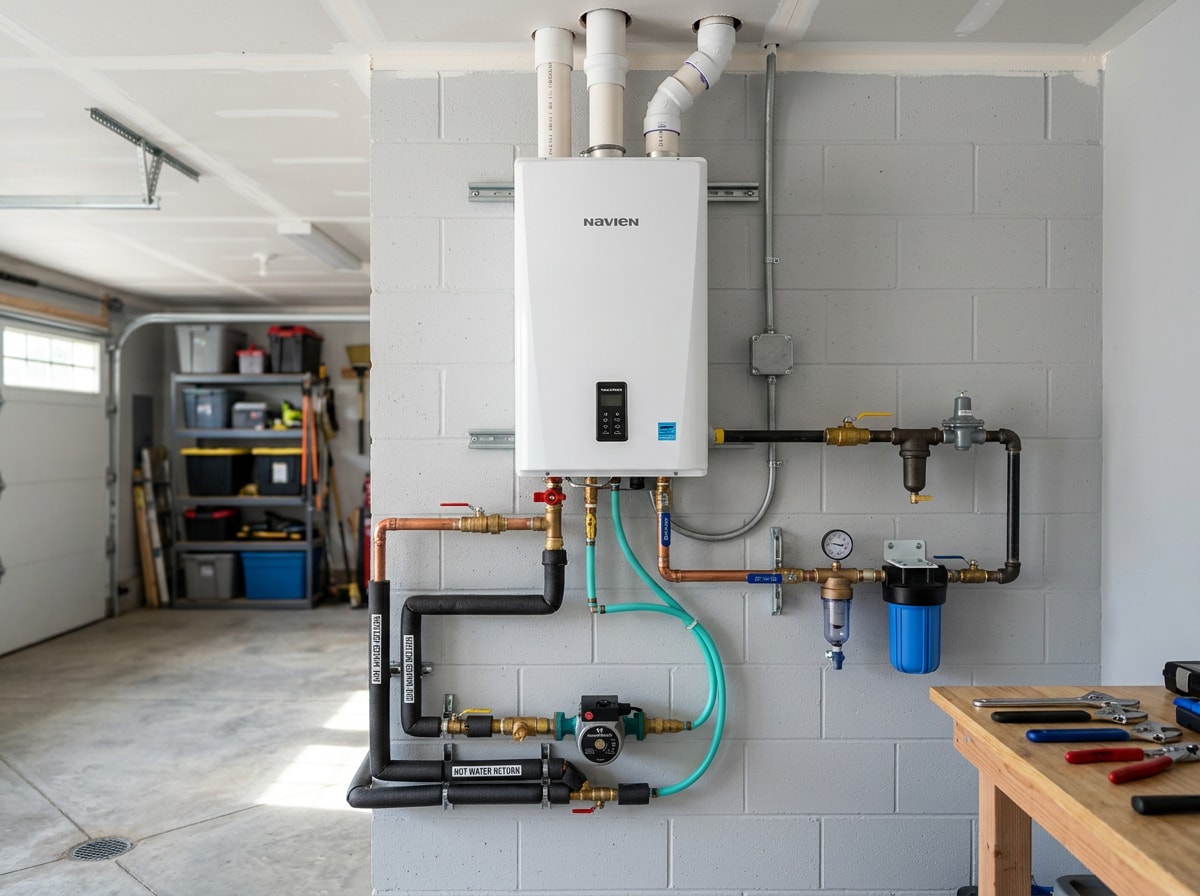
The practical fix for most tankless retrofits is an under-sink comfort system with a crossover valve at the farthest fixture, paired with a tankless unit that has built-in recirculation logic. Several major tankless brands now build this in at the factory rather than relying on an add-on pump. Homeowners weighing this pairing should talk through options with our tankless water heater service team before buying a pump kit, since not every tankless model handles a bolt-on recirc pump the same way.
Is a Recirculating Pump Right for Your Summerville Home?
In our service calls across Dorchester and Berkeley counties, the homes that benefit most are single-story layouts with the water heater in a garage or outside utility closet, which describes a large share of Summerville's newer subdivisions. Older homes closer to downtown with shorter pipe runs tend to see a smaller improvement for the same investment.
If you're already dealing with other hot water quirks in your Summerville home, like pressure drops near the vent stack, it's worth a quick read through our guide on plumbing vent cap problems in Summerville, SC, since venting issues can masquerade as hot water delivery problems. If the water heater itself is the bottleneck rather than the pipe run, a water heater repair visit can rule that out before you spend money on a pump. You can also browse recent installs on our projects page to see comfort systems and full recirculation setups we've completed around the Lowcountry.
Not sure which system fits your floor plan? Get a free estimate from a licensed plumber who can measure your actual pipe run before you buy equipment. You can also start from our homepage to see the full range of plumbing and water heater services we offer across the Charleston area.
FAQ
How much does an under sink hot water recirculating pump cost?
A DIY kit runs about $100–$250. A professionally installed under-sink comfort system typically costs $300–$600. A full recirculation system with a dedicated return line runs $900–$2,000 or more, depending on how far the pipe has to travel.
Do hot water recirculating pumps run all the time?
Not necessarily. Pumps set to continuous operation run nonstop, but most homeowners use a timer to limit run time to peak hot-water hours, or a demand sensor that only activates when needed. Continuous operation uses more electricity and can waste more energy than it saves.
Is a hot water recirculating pump worth it?
It depends on household size and pipe layout. You get faster hot water, less wasted water, and more comfort, weighed against upfront cost and a modest running cost. It's most worthwhile in larger homes or homes with long pipe runs between the water heater and the farthest fixture.
Where should the pump be installed?
Placement depends on system type. Full recirculation systems install near the water heater. Comfort and crossover systems install under the sink at the fixture farthest from the heater, which is what makes the crossover valve effective.
Will a recirculating pump fix a tankless water heater's cold water sandwich?
It helps but doesn't always eliminate it completely. A comfort system paired with a tankless unit that has built-in recirculation logic handles the issue better than a standard add-on pump alone, since the tankless unit still needs a moment to ignite and heat water on demand.
Do I need an electrical outlet under the sink?
Most under-sink pumps need power nearby, so an accessible outlet under the cabinet is usually required. A few crossover-only systems skip the pump and rely on the water heater's recirculation pump instead, which avoids this requirement.